歴史、経済、安全保障、文化:中国と日本を形づくる要因

Japan-China Relations

                        Toshi ITO

国際大学 

〒261-8586 千葉県千葉市美浜区若葉2-11 

E-mail: info@globalculturz.org

文化とグローバル研究のセンター

中国と日本の関係

中国と日本は、アジアで最も重要な国々であり、その関係は複雑でしばしば緊張しています。両国は唐王朝の中国にまで遡る長い歴史的交流がありますが、また、第二次日中戦争(1937-1945年)など、紛争の歴史も有しています。

第二次世界大戦後、中国と日本は国交を正常化しましたが、過去を完全には清算していません。日本軍の戦争犯罪は中国で依然として敏感な問題であり、最近数年間で両国関係を緊張させる多くの事件が発生しています。例えば、2014年に日本の安倍晋三首相が靖国神社を訪問したことは、中国と日本の間で大きな外交問題となりました。

歴史的な遺産に加えて、中国と日本は東シナ海と南シナ海の領土紛争、中国の軍事力の増強など、両国を分断する多くの現代的課題も抱えています。

しかし、課題にもかかわらず、中国と日本の関係にはいくつかの肯定的な側面もあります。両国は主要な経済パートナーであり、気候変動や災害救援など、いくつかの分野で協力してきました。近年、両国関係を改善するためのいくつかの取り組みが行われており、両国が最終的に相違点を克服し、よりポジティブな関係を築くことに期待されています。

しかし、中国と日本は依然として価値観や利益が異なる、非常に異なる国々であることに注意する必要があります。したがって、両国関係は、当面先も複雑で挑戦的なものとなる可能性があります。

以下は、中国と日本の関係を形作ってきた主な要因です。

  • 歴史: 両国は長く複雑な歴史を持ち、紛争と協力の時代を経てきました。
  • 経済: 中国と日本は主要な経済パートナーであり、両国経済は密接に絡み合っています。
  • 安全保障: 両国は異なる安全保障上の懸念を抱いており、これが両国関係の緊張の源となっています。
  • 政治: 両国は異なる政治体制を有しており、これもまた両国関係の緊張の源となっています。
  • 文化: 両国は異なる文化を有しており、これは時として誤解を招くことがあります。

課題にもかかわらず、中国と日本には協力する理由がいくつかあります。両国はいずれも主要な経済大国であり、気候変動や核不拡散など、いくつかの共通の利益を共有しています。また、両国は地域の平和と安定を維持することにも関心を持っています。

中国と日本の未来は不透明です。しかし、両国が相違点を克服し、協力し合うことができれば、アジア太平洋地域の未来を形作る上で重要な役割を果たすことができます。

中国と日本がこれらの課題を克服することができれば、よりポジティブで協力的な関係を築くことができます。これは、アジア太平洋地域と世界全体にとってプラスとなるでしょう。

Brazil-China Relations in Contemporary Global Crises

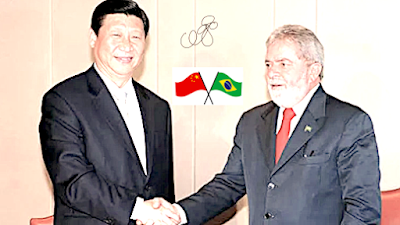
Xi and Lula

            Keiko Rikimaru


            Open University of Japan

                Chiba

             Email: info@globalculturz.org


Brazil and China are two of the most influential countries in the world today, with Brazil being the largest country in South America and China being the most populous nation on Earth. Over the years, their bilateral relationship has grown stronger, particularly in the economic and political spheres. This essay will examine the contemporary Brazil-China relations, focusing on their trade ties, political cooperation, and cultural exchanges.

One of the key features of the Brazil-China relationship is their robust trade ties. In recent years, China has become Brazil's largest trading partner, and Brazil is China's ninth-largest trading partner. The bilateral trade volume between the two countries has grown significantly, reaching a record high of $100 billion in 2020. China's demand for Brazilian agricultural commodities, such as soybeans and meat, has been a driving force behind this growth, as Brazil is one of the world's largest producers of these goods. Additionally, Brazil has been exporting iron ore, crude oil, and other raw materials to China, which has fueled China's rapid economic growth over the years.

Moreover, Brazil and China have strengthened their political cooperation in recent years. They have been working together in international organizations such as the United Nations, the World Trade Organization, and the G20, to address global issues such as climate change, economic development, and international trade. In 2018, Brazil and China signed a memorandum of understanding to strengthen cooperation in areas such as investment, infrastructure, and energy. Additionally, they have been cooperating in the field of technology, particularly in the development of 5G networks.

In terms of cultural exchanges, Brazil and China have been promoting mutual understanding and appreciation of each other's culture. The two countries have organized cultural events, such as the China-Brazil Cultural Exchange Year, which was held in 2009, to showcase their cultural diversity. The Confucius Institute, a non-profit organization that promotes Chinese language and culture around the world, has established several branches in Brazil to facilitate cultural exchange between the two countries. Additionally, Brazilian schools have been teaching Chinese as a second language, and Chinese schools have been teaching Portuguese, which has helped to promote cultural understanding between the two nations.

However, the Brazil-China relationship is not without challenges. There have been concerns over the trade imbalance between the two countries, with Brazil exporting mostly raw materials to China and importing manufactured goods from China. Additionally, there have been concerns over the environmental impact of China's demand for Brazilian commodities, particularly soybeans and meat, which has led to deforestation in the Amazon rainforest. Brazil has been under pressure from the international community to address this issue and reduce its carbon emissions.

In conclusion, the contemporary Brazil-China relationship is characterized by strong economic ties, political cooperation, and cultural exchanges. While there are challenges that need to be addressed, the two countries have demonstrated a willingness to work together to overcome them. As the global balance of power shifts, Brazil and China's relationship will continue to be an important factor in shaping the world's political and economic landscape.
Snow Country: Relevance of a Literary Masterpiece

  In a recent broadcast, NHK, the national broadcaster of Japan has presented the dramatic replica of ‘Snow Country’ a Nobel Prize awardee novel of Yasunari Kawabata. This novel was published in its final form just after WWII in 1947 and gained attention of global readers. Today with the concerns of climate change dabates, its relevance emerged again. EDWARD G. SEIDENSTICKER translated this masterpiece which is widely respected among readers. In the introductory note he observed, “Kawabata was born near Osaka in 1899 and was orphaned at the age of two. His short stories began to attract attention soon after his graduation from Tokyo Imperial University. He presently became a leading figure in the lyrical school that offered the chief opposition to the proletarian literature of the late twenties. Snow Country was begun in 1934 and published piecemeal between 1935 and 1937. In 1947 a final installment was added, and the novel completed as it stands today. 

Snow Country is perhaps Kawabata's masterpiece. He has found in Shimamura's love affair the perfect symbol for a denial of love, and he has in the woman Komako and in the shadowy beauty of the snow country fit subjects for the haiku-like flashes that bring the denial forth. And, in the final analysis, the very success of the novel becomes a sort of affirmation of the humanity that is being denied.”

To watch, visit the NHK site by clicking the links below. 

Snow Country-Part-I 

Snow Country-Part-II 

-Presented by Globalculturz Team.

China-Taiwan Tensions: A Global Crisis


Photo Credit: AFP

Tina Inoue Williams

Research Associate

CCGS, US Center, South Carolina

Email: t.will1857@gmail.com


China’s one-nation principle is widely accepted fact, which allows it to consider Taiwan as a part of its territory. This principle is acknowledged by most of the nations, including the US, in principle only. Practically, neighboring nations oppose this idea due to security threat and they wish to maintain the status-quo. China, as history shows, is an expansionist country and due to its very virtue of communist values it hardly permits the diversity to propagate. Various studies have established that many ‘accomodated’ regions in China have lost their identities. The best example is Tibet, whose spritual leader has taken asylum in India since past many decades. Recently, democratic movements in Hong Kong were brutally crushed by the mainland China. Chinese politics has a tradition and training to govern in an autocratic manner. So they did the same in Hong Kong and will do in Taiwan, in case they are able to gain control over it. Chinese have also banned imports of several food products-fish and fruits from Taiwan. It will impact Taiwanese economy severly as 33% of trade import is done by China. China has been regarded as ‘land encrocher’ nation amongst its neighbors. It is true that Chinese authorities have grabbed the land in South China Sea and developing a military facility there. It has marine disputes with Japan, Taiwan and the Phillipines. The land dispute with India was never settled and there were armed conflicts between the the two nuclear armed nations.

Recently, the visit of US House Speaker, Nancy Pelosi, to Taipei, has trigered a global crises. In the meanwhile, Ukraine and Russia are fighting a full-sacle war. The US kept it aside, though it is supplying weapens and other financial support to Ukraine to deter Russian invasion. It is very likely that China will attack Taiwan in near future. In that case, the high possibilty is that the US will get involved. Intention of the same has been shown by President, Joe Biden in an interview. The two global powers involvement in any kind of military activity will,certainly, bring more misery to the common folks. Particularly, developing nations will suffer the most. As Ukranian wheat export embargo brought severe food shortage to African countries. The role of UNSC seems very limited, almost a preaching kind of thing, whenever such disastrous events happen. In a better way, China can keep restraint in the interest of global communities. Thuogh, as live drills are going on, it is just a remote possibility. The US-China relations are touching a lower side each day. Dialogues between them can find a solution to restore peace in Asia, which heading towards a war. Chinese bulling attitude has already annoyed Japan and India. PLA, the Chienese army, is on the soil of Indian Union Territory of Ladakh, as claimed by some Indian think-tanks. Japan has recorded a few objections, through diplomatic channels, over Chinese vessels violating sea boundaries near Senkaku islands. It’s time for the Chinese authorities to give a thought on why they are sidelined by the most of the nations, particularly by their neighbors. This can help to shape a peaceful world. 


Message from Tokio Hasegawa San


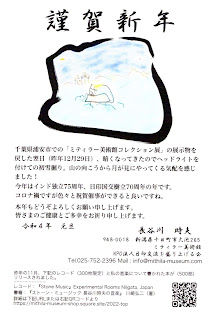
 Happy New Year

The day after I returned the exhibits from the exhibition "The Collection of the Mithila Museum" in Urayasu City, Chiba Prefecture.

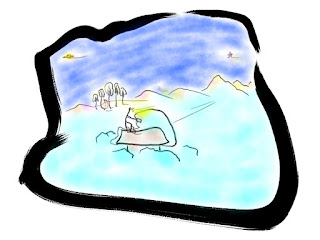
The next day (December 29th last year), it was getting dark, so I turned on my headlamp and started to take the snow down from the roof for the first snow. I could feel the moon coming from behind the mountains for looking to see my snow work.

This year is the 75th anniversary of India's independence and the 70th anniversary of the establishment of diplomatic relations between Japan and India.

I hope we will be able to hold various events to celebrate, even if the Corona disaster.


I look forward to working with you again this year.

I wish you all good health and happiness.

New Year's Day, 2022

Tokio Hasegawa

265 Oike, Tokamachi City, Niigata 948-0018 Japan

Mithila Art Museum

NPO Society to Promote Indo-Japan Cultural Relations.

Tel.025-752-2396 Mail : info@mithila-museum.com

The following record (limited to 300 copies) and a book about my music (500 copies) were released last November.

…………………

Record: "Stone Music Experimental Rooms Niigata, Japan

Book: "Stone Music: The Music of Tokio Hasegawa" (written by Koji Kawasaki)

For more information, please visit the following URL or use the QR code on the right.

https://mithila-museum-shop.square.site/2022-top

Video: City & Life-Tokyo

Brazil Feed

German Feed

Japanese Feed (Asahi)

India Feed (Hindi)

US Feed NYT

Australian Feed